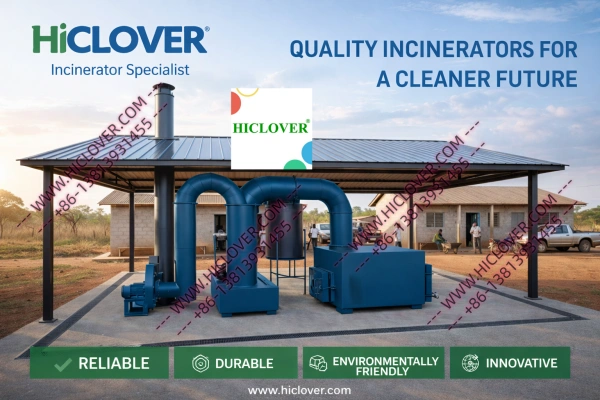
Technical Overview and Comparative Analysis of HICLOVER Waste Incinerators
Introduction to Waste Incinerators
The role of waste incinerators in modern waste management is critical, especially given ongoing global initiatives related to environmental sustainability and public health. In countries like Benin, Senegal, and Mauritania, the adoption of advanced incineration technologies is essential for managing medical and industrial waste efficiently. HICLOVER’s waste incinerators, characterized by their reliability and compliance with rigorous industrial standards, cater to diverse waste processing needs. These incinerators typically operate at high temperature ranges of 800°C to 1200°C, effectively ensuring the safe destruction of various waste types, including medical and hazardous waste. Consequently, understanding the engineering principles and specifications behind HICLOVER’s designs can provide valuable insights for investors and business partners.
Technical Specifications of HICLOVER Waste Incinerators
HICLOVER waste incinerators integrate advanced engineering principles to enhance waste management efficiency. The incinerators feature dual combustion chambers, which ensure complete combustion and minimal emissions. The primary chamber achieves temperatures necessary for waste pyrolysis, while the secondary chamber further reduces any remaining volatile compounds. This design aligns with global standards set by organizations such as the WHO and the EU’s emission frameworks.
Temperature retention is critical in waste incineration processes, as it directly impacts the combustion efficiency and the reduction of harmful emissions. HICLOVER incinerators maintain optimal combustion temperatures through their multi-fuel capability, supporting diesel, LPG, and natural gas. This versatility allows for adaptability in various operational environments, from remote mining camps to urban healthcare facilities.
Moreover, the engineering design includes both manual and PLC automation options, which provides flexibility in operation. The PLC-controlled systems offer enhanced monitoring and ease of use, catering to both inexperienced operators and seasoned technicians. The incorporation of scrubber systems—either dry or wet—further enhances emission control, allowing operators to comply with stringent environmental regulations.
Comparing Types of Waste Incinerators
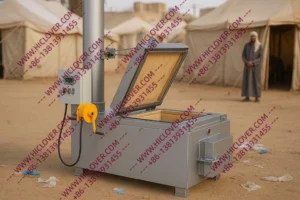
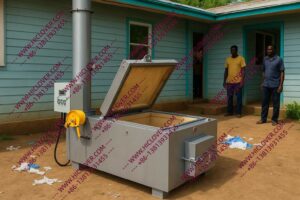
The market offers various types of waste incinerators, including fixed and containerized units. Fixed systems are typically designed for stationary operations and larger waste volumes, while containerized systems, such as those offered by HICLOVER, provide mobility and flexibility. The containerized design supports rapid deployment in crisis zones or humanitarian camps, making it particularly suitable for regions undergoing infrastructural challenges.
Investors should also consider the operational benefits of mobile modular systems. These systems can be transported to different sites without the need for extensive setup, making them ideal for temporary operations. HICLOVER’s mobile incinerators exemplify this capability, functioning as plug-and-play units that can begin processing waste within hours of arrival.
Regulatory Compliance and Environmental Considerations
Compliance with environmental regulations is a significant factor for waste incinerator manufacturers, and HICLOVER prioritizes this aspect. The incinerators are designed to meet or exceed the emission standards set forth by global regulatory bodies. The dual combustion chamber design reduces the formation of dioxins and furans, while the scrubber systems capture particulate matter and acid gases, ensuring that emissions remain within permissible limits.
Furthermore, as pressure mounts globally for carbon emission reductions and ESG compliance, HICLOVER’s waste incinerators are equipped with energy recovery systems. These systems convert waste heat into usable energy, contributing to a more sustainable waste management approach. This capability aligns with the growing market demand for environmentally responsible solutions, appealing to investors focused on sustainability.
Supply Chain Stability and Manufacturing Expertise
In evaluating the operational efficiency of waste incinerators, supply chain stability plays a crucial role. HICLOVER’s factory direct supply model ensures that components are manufactured to the highest standards, mitigating risks associated with reliance on third-party suppliers. This direct manufacturing capability supports a seamless supply chain, allowing for timely delivery and installation of incinerators worldwide.
With extensive engineering experience, HICLOVER stands out among manufacturers. The company is well-equipped to customize incinerators according to client specifications, such as chamber volume and operational needs. This customization is especially valuable for clients in diverse markets such as Senegal, where ecological considerations demand tailored solutions for waste management. Investors can leverage this adaptability to meet the specific requirements of their target markets.
Market Trends in Waste Management
Current trends in waste management emphasize the importance of decentralized waste disposal solutions. HICLOVER’s incinerators facilitate this shift by enabling localized waste processing, which reduces transportation emissions and costs. This trend is particularly relevant in developing regions, including Mauritania, where transportation infrastructure may be limited.
Additionally, the rise of global infectious disease preparedness has underscored the need for efficient waste disposal systems in healthcare facilities. HICLOVER’s medical waste incinerators are specifically designed to address the high standards required for the safe disposal of biohazardous materials. The engineering behind these systems ensures that they are capable of operating at the necessary temperature standards to eliminate pathogens effectively.
Complementing these operational advantages is the growing emphasis on digital automation in industrial equipment. HICLOVER incorporates advanced PLC controls, enhancing operational oversight and efficiency. This integration of technology not only streamlines processes but also supports data collection for regulatory compliance, providing operators with comprehensive insights into operational performance.
Conclusion
In the landscape of waste management, HICLOVER’s waste incinerators represent a fusion of engineering expertise, regulatory compliance, and operational flexibility. For investors and business partners, understanding the technical details, specifications, and market trends surrounding these systems is essential for informed decision-making. As the world continues to grapple with waste management challenges, the role of advanced incineration technologies will undoubtedly remain pivotal in promoting public health and environmental sustainability.